
- Alcohol
- Drugs
- Friends & Family
- Mental Health
Submitted by: Nadine Herring
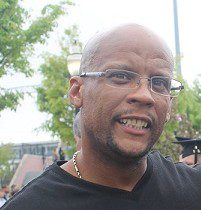
This is an interview conducted with my husband Brandon. In this interview, Brandon will be sharing his story of recovery and how it has his affected life, our family, and how he is helping others.
My husband and I have never done an interview like this and I am so very proud of him for so being such an amazing husband and father, and for sharing his story of recovery because it is truly amazing and can serve as an inspiration to others. I can never find the words to truly express how much I love this man and how grateful I am that he was able to get to and stay in recovery!
How long have you been on your recovery journey?
Fifteen years; it will be 16 years in November.
What is the biggest positive change in your life since then?
I gained self-esteem, sense of self-worth and the ability to be less impulsive.
What led to your need for recovery (from substance abuse or some other issue)?
Desperation! Unlike what many think, most people who have an addiction don’t really want to use, but it becomes their everything– and when it turns out to be that it’s the cause of all your problems, you try to get help. But I didn’t go into recovery trying to get help; I went into recovery kind of like a trick.
I called my mother from a hotel and I asked her for $800 so I could pay some debt I owed from these guys that I thought were going to try to kill me. She wouldn’t give me the money (laughs). She told me I needed to get religious, so I told her if she didn’t give me the money that I was going to kill myself because I wasn’t going to allow somebody else to come kill me. She suggested that I say the same thing down at Connecticut Mental Health and that was the end from that day on.
Follow up question: So you went into recovery not because you wanted to…not at that time?
I didn’t even know what recovery was, I didn’t know anything about rehabs or anything. I thought people just had to stop, I didn’t know they actually had treatment– I really didn’t. I never heard about programs…I heard of people who went to rehab but I thought it was jail. I didn’t know it was like, “hey we’re going to try to help you get your life back together.” The rehab that I went to was very hardcore; they called us every name in the book, they put me on contract and they were going to kick me out.
They gave me chores and I was fresh off the street homeless, and I didn’t know why they were making me do all this stuff and I couldn’t get my act together. I remember crying in my counselor’s office because I was like, “well if you kick me out, I’m going to be dead.” He said, “I’m sorry, but you’re not doing what you need to do here.”
Then when I was getting ready to get kicked out, my counselor said he needed an emergency contact, so I gave him my mother’s phone number and her name; I don’t know how I remembered her number. He stopped and said “(my mother’s name) is your mother?” and I said yes. He said she helped him get sober and I said “that’s good” (laughs).
He started laughing and asked me if I was serious about (my mother’s name) being my mother; so he called the number while I was in his office. She picked up and they just started laughing and talking. I was sitting there getting ready to get kicked out of the program and I was thinking well, it was good while it lasted; I was only there for about a week so at least I got to sleep for a couple days. After he talked with my mom, he put me back under contract and told me if I made one more mistake, he couldn’t help me, but he was going to try. I ended up staying the whole six months.
The whole time they were in the office talking on the phone, my mom didn’t say one word to me because she didn’t know I was there at the time– she thought I was still at Connecticut Mental Health. What happened while I was there was that they realized that I wasn’t suicidal, just really desperate. I was surrounded by people with severe mental health issues and I was just thinking how out of control my life had gotten; I was 30 years old, my birthday had just passed and I was in a mental institution…
One of the counselors there had asked if I would like to go into a program and I told him that I would love it because I was thinking I could stay somewhere for a little while and figure out a plan; I had no plans to stay sober or clean. They were trying to get me into one rehab facility, but there were no beds available and they had to let me go because you couldn’t stay there more than two weeks if you weren’t really suicidal.
This other counselor said there was another program but it was really rough and hardcore, and he didn’t know if I was going to make it. I told him I didn’t care, I just wanted to get there. So they got me approved, I got SAGA (State Administered General Assistance) so I didn’t have to worry about insurance.
I remember the guy that drove me there telling me that the rehab was really rough so keep my head down, keep my nose clean and just do what my counselor tells me to do. He told me if I made it through the program, they would probably get me a sober house. All I remember asking him was how long the program was. He told me six months and I said to myself “I have to stay in this place for 6 months?!” He said it’s either that or the street, so it sounded like a good option and I took it and that was it. I still didn’t plan on getting clean; I just wanted to get through the six months.
Once I started going to outside meetings and they let me work off site, I thought that I could save my money, pay back the guys who were looking for me, get a room somewhere and just do better this time. I remember a speaker told me at a meeting that I was looking too far ahead which is why I couldn’t stay clean and sober; the only way I could get the time he had was to do it one day at a time. He said if I just took it one day at a time, then my recovery would start having some meaning.
Then I started seeing you (wife) and our daughter on weekend visits and I saw how bad my behavior, my absence was affecting you. I mean, our daughter didn’t know what to do when you would come visit; she didn’t know how to talk to me, look at me…and you (wife) just looked so beaten down by having to do everything on your own. I kept saying to myself, “Well I do have a job, I could actually help. Maybe I should try to stay clean for them,” because at that point I couldn’t do it for me because I still didn’t believe it.
I had been drinking since the age of 14, and there was no way I was going to stay clean, I knew that so I said I would do it for you guys; then it started turning into I want to do it for me right around the time I got discharged, that’s when I knew.
What was the turning point for you?
When I was in rehab, there was this old guy that used to come every Tuesday. He was really old and he had this weird cowboy hat with all these recovery pins on his hat. I used to be the guy in group that nobody liked because I would always make statements like “I don’t believe that you drank the way that you drank and you don’t drink today and you haven’t had a drink in the past 15 years; I don’t believe you.”
I would ask the old guy what he did when he got the urge to drink, when he got that craving and he said that he would go to a meeting. I asked him if going to a meeting really kept him from drinking and using and he said yes; the longer you do it, the easier it gets. He said that he would always be an alcoholic and addict and the urges will always come and go, but now we have a choice; before recovery he didn’t have a choice.
That’s what people don’t understand about addiction: it’s not about thought, it’s strictly impulse. A feeling comes over you, there’s no “hey let me think about it: if I drink, this and that is going to happen; I really don’t want that”; it’s just about feeling. To feel or not feel and you need a substance to help you do that.
At that point I had been there 4 months. I wasn’t counting the days and I had been sober for 4 months! A good friend of mine that had just been released from jail had come into the program and he talked to me one day and told me that to the other guys, it seemed like I was disrespecting and challenging this speaker. I told him I was just trying to get information; he told me to stop talking and listen and when I did that, I got it; everything started to make sense!
I didn’t think anybody could relate to me and how I was feeling inside but this guy could because he was an alcoholic and addict, and he was in recovery for 21 years! Once I started listening, the light bulb went off and I got it. I didn’t know I was going to stay sober, but I knew it was possible then.
What is one important truth you’ve learned through the process?
You have to take your recovery very seriously, almost to the point where it seems that you are being very selfish. You will go to meeting after meeting when you probably feel that you should be with the loved one you stole all this time from and you will feel guilty; you’re thinking now you’re in recovery, you’re doing what you need to do but I’m still not here. But the longer you stay clean and sober, you will figure it out; you will figure it out. I told myself I couldn’t hide in the meetings and I had to start spending time with my family and finally start to make amends. There has to be balance; it can’t be all recovery and no healing. They don’t really preach this in 12-step; you usually hear this from old-timers who have a lot of clean time.
What are you most proud of about your life today?
The fact that I’m still clean and sober! There are moments when I don’t want to do this. One thing that addicts struggle with is they don’t feel that they ever fit in anywhere; it’s like a void and you just want to go hide. I’m proud of the fact that I don’t give in to that temptation; plus that’s being a coward. You have to live life like everybody else, on life’s terms; I don’t try to run, I try to face things and stay in recovery.
What is one of your biggest struggles in ongoing recovery? How do you overcome that?
I have to wear two hats now because I’m a counselor. In the field, it’s frowned upon for counselors to self-disclose about being in recovery because some people say it’s like using a crutch instead of your counseling skills. Once a client hears that you’re in recovery they seem to pay more attention to you, they feel like they can relate to you… but if you’re a good counselor, you never have to tell people whether you’re in recovery or not.
How I overcome that is, if I’m going to disclose, it’s treatment based; it’s not “I’m your sponsor now or I’m just like you now”, it’s this is coming from a person in recovery who is teaching you how to stay clean and sober who actually does it!
What part of your life do you find most satisfying since you have been in recovery?
My family. I have a family now! I’m not living in abandoned buildings, with no ID. It’s cool (laughs). I understand why people complain about their family members with addiction because it’s really hard.
I mean, I look at it like I’m lucky because I’m not supposed to be here. I’m supposed to be like something that happened and oh that’s so sad, blah, blah, blah; but I’m here. I’m happy that I have my family, my dogs, my cats, everything. I tell people in treatment that you can build a good life, but you have to appreciate it, do you appreciate it? I get moody, I get stressed; but I love you guys very much!
Is there a truth or piece of advice someone shared with you that has helped you on this road?
The day I left treatment, someone told me the thing you do today will be the thing you do the rest of your life. If I had not gone to a meeting that night; if I had gone to a sober house or something like that, who knows where I would be, but I went to a meeting because I was scared, and I’ve been doing good ever since.
What would you tell someone who is at the beginning of his/her recovery journey and is afraid he/she can’t do it?
I would tell them to stand with one leg in the air and see how long they could hold it up. And when they finally drop that foot, do it again but this time put a chair underneath the leg that’s in the air, where they could rest their foot on the chair. Then I’d ask them how long they could do that; they probably could do it a little longer. What does the chair offer them? Support! You can’t do it by yourself; you can’t, you need support. You need positive people in your life.
There are some people who will never understand recovery; they will never forgive you, they will never believe that you are doing something right and you have to say screw them, it’s not about them, it’s about me. You stick with the people that are doing well; the thing about that is it’s a double-edge sword.
My experience in recovery is that I’ve met a lot of good people but some of them have relapsed and when those people relapse, it’s like losing a brother or sister or family member because you really can’t do anything; you have to let them find their way back. It hurts, but you have to do it. I had to cut off all my old friends because they’ll get me high before I can get them sober, so I can’t be around them.
So I tell people if you really don’t want to go to meetings and you don’t believe in all that 12-step stuff, why not just do it until you’ve really proven yourself to be right. Don’t go to one, go to two; if you don’t like this meeting, go to another one; go to a different area. You will see all kinds of different people, lawyers and people who have just gotten out of jail are best friends because in a meeting we’re all the same; that would never happen in the “real world.”
A lot of people have a rigid mentality and don’t seem to have fun in recovery; to me that’s sad because recovery should be a gift, it should be cherished; it should be something that you’re proud of. It shouldn’t be like you’re a robot or punishment; you didn’t ask to become an addict but you have to accept the fact that you are. You didn’t wake up and say I want to be an addict, I want to have cancer, I want to have AIDS; you have to come to a moment where you accept it and treat it.
If you really want to stay clean you will; if you really need to stay clean that’s not enough. People in recovery are wired differently and we need constant tune-ups and maintenance. People in recovery have to be mindful of where we are, who we hang with and what we do. We have to be aware that relapse is a gradual process and we have to be able to pull yourselves up when we feel ourselves going down.