
- Alcohol
- Drugs
- Friends & Family
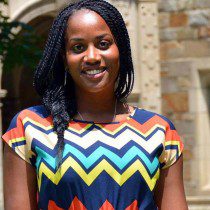
I started recovery over three years ago on November 6, 2011. It doesn’t happen very often, so I’m very much honored that I’ve been sober ever since my first 12-step meeting. It’s pretty crazy. I’m very grateful.
I grew up in Michigan originally. I’m a firm believer in addiction being a disease, and it progressed from the time I was a little kid. It wasn’t until I got into high school that it seemed like I needed to get out of myself. I just could not live in my body for much longer based on the context of my environment. I started using in high school but nothing too serious and not to the extent of any major, major consequences. I got caught smoking weed at one point and that kind of just allowed me to be a little bit safer.
When I got to college, my addiction really took off. I wasn’t sheltered by my mom anymore. I didn’t have the same friends I had in high school. It wasn’t like I had any of that basic safety net. It just kind of took off with me trying to balance my schooling and my social life which has always been really important to me. I’ve always been a very sociable person.
I could not perform in school, so I dropped out after four years of college. I even took a year off at one point, but I just couldn’t cut it. I was not able to perform academically. I moved to Brooklyn after a couple years, and New York was a new beast. It’s definitely not Michigan; it’s definitely not college. My addiction kind of took over. I was no longer able to be highly functioning. I’d always been able to work. It just became one of those things in my life where it just stopped working. My using really stopped working. My drugs of choice were alcohol, cocaine and weed. That’s pretty much where it stopped. Once those drugs stopped working, I realized that I had to do something differently. A friend of mine who I grew up with and who had been in recovery for about four years told me that I should probably try 12-step meetings. So I did. At that point I was 26, and I haven’t looked back since. I was completely broken by that big old city. I had my own apartment and was still doing okay, but it was just over for me. The biggest changes in life since recovery are the relationships that I’m able to have and the social support that I have. I can’t even explain it. I think it’s very telling of the person that I am for these amazing people to want to be in my life. I feel so connected to my mom and my sisters and my nephew and really want to make them a priority. My perception of what is really important changed. Is it really about partying and having a good time, or is it really about cultivating these amazing connections? I’m learning to be of service to other people which is really important to me, too. I think it’s just something that I was always missing, this human connection that I think we’re all here for and that I feel really in tune with that now that I’m in recovery. The decision to get into recovery was kind of a year-long process. I was seeing some people I was hanging around, and I did not like them, and I did not like myself. It was just really hard. I was having physical problems like pains in my side. I was feeling lonely on a different level. My last night of using, I was just doing the typical thing. I was at a bar, but I was all by myself. My friends were bartenders. I was just trying to connect with these people, and I just had a flash of my life. I always had great intentions of getting that white picket fence, that nice house in the woods, and kids and a partner. I always wanted that, and I just had a moment where I thought, “If you keep doing this, you’re not going to get there. That’s just not an option for you.”
I realized the reasons why I wasn’t able to have human connections were my drinking and my drugging. That was what had carried me through, but then it was just like, “You’re done.” At that point I was just so aware of how that lifestyle was not working. I had thought, “Eventually, I’ll stop. Eventually, it’ll be okay. I’ll be able to get there,” but I had a moment of clarity and was able to see for a moment and really recognize, “No, this is going to end really, really badly. You’re not going to get this life.” A part of me thought I kind of deserved it, but I had never really wanted it in that deeper way. It was just a total turning point that night, and I started reaching out for help, and I haven’t looked back since. I told myself I would stop when I had 30 days and all sorts of things, but my life was just so much better with people who “got” me.
After I had a year in recovery in Brooklyn, I was really encouraged to go back to school. I was like, “No, I don’t want to. I don’t think I can do this,” but they said, “No, you can. This is a great way to make amends to yourself. Go for it.” I listened, and it was really easy to get back in. I was really scared, because like I said I’m not one of those high-functioning alcoholics who can just go to school and graduate at the top of their class. There was a lot of fear associated with me being on a campus where I had used a lot. A lot of crazy things happened there, and I wasn’t academically sound. As soon as I got to the university, I got integrated with the 12-step community there. A few students said, “You should really talk to this guy named Matt. He’s really awesome and he runs this program.” That’s what really saved me and allowed me to graduate a year later. I only had two semesters left and really clinging to the recovery community let me see there was life beyond 12-step recovery. I could build my own life in a different way. I graduated, and now I’m in grad school. I took a year off to kind of figure out the next trajectory of my life, and now I’m in grad school for social work. That’s unreal right? Three years ago I didn’t have much. It happened so fast.
I’m a community organizer and concentrating on social systems, and I intern at a college recovery program right now. What’s really important to the next step in the recovery movement is recognizing new kinds of recovery communities in institutions that already exist in social systems, like colleges and high-schools, which really help people in recovery to grow outside the 12 steps. I think that it’s very important for us to have our own spaces within communities and to feel comfortable and understood like one person in recovery talking to another. I think that’s a very great way to look at addiction now from the eyes of recovery. We should celebrate recovery and work on prevention in that way too. How can we help these students maintain their recovery? I think far, far too often, a lot of people in recovery have to sacrifice their education because of the fear of not being able to handle the climate that most colleges are centered around. That’s a total social justice and public policy issue that I’m a huge advocate for, and I’m really, really excited to continue to do a lot of amazing work on it. It’s given me a life beyond what I thought was even possible. It’s given me even more things and more connections with other people, and really helps me and a lot of people that I know too.
Asking for help is a huge thing that I struggle with. I have an army of people that see me and know me, so I can’t really get away with it for much longer, but I’m still stuck in my mind a lot. I’m constantly thinking and constantly trying to figure things out. It takes being around people for me to be willing to open up. I’m always looking for the next thing, the next move, and it doesn’t stop because I’m not using. That’s just my nature. Sometimes it’s really hard for me to be present, but the more support I have and the more spaces that I have, like the 12steps, my friends, my supports and the people I’m of service to, the better. I need that. That’s my medicine more than anything. It just holds me accountable in ways that I need.
My personal relationships are amazing, and that’s pretty cool, because I’m single. Usually it’s some person saying, “Oh, I have the best partner ever,” but not for me. For me it’s my friends, my family and being an aunt more than anything. My one-year-old nephew is the light of my life. My sister took time off to go to her best friend’s wedding, and I was able to watch my nephew for a whole week on my spring break while she was in Cancun. That’s crazy that I was able to do that. I was so excited to spend time with my nephew. He’s just so cool. I love him to death.
I think a huge part of getting sober, and staying sober, a little younger than most was that nothing catastrophic happened to the point where I thought about going back out. There was a point in my sobriety when I had 30 days or so, and I was going to do everything everybody was telling me to do, but I was still questioning things. “My gosh, am I supposed to be here? Have I hit bottom? Have I ruined my life enough?” That’s what I was asking myself. “Could I go back out? And what is the bottom? What does that look like for me?” I remember talking to one person, he actually passed away a couple years ago, who said, “You don’t need to worry what your bottom looks like. You can always get worse. Your bottom is when your life disintegrates faster than you can lower your expectations.” That really struck home for me as a young person who thought I could just kind of mess up my life a little bit more and still have fun. Nobody can really tell you what your bottom is. That’s something that you have to measure. My life was definitely disintegrating faster than I could lower my expectations. There was no doubt in my mind. That moment was just very eye opening to me. It wasn’t my parents’ fault. It wasn’t anything. It was what was happening in my life at that moment when I walked into my first 12-step recovery meeting, when I decided to try something different. My life was definitely disintegrating faster than I could lower my expectations. I think that’s the most profound thing I’ve heard, and I try to share it with new people and people who doubt their place in this world when it comes to their addiction. Can you answer that question? Do you feel that? Are you where you want to be? Are you where you thought you would be? How do you measure that? How do you measure a bottom? I thought that was a great way to put it.
Give yourself a chance. Give yourself a chance. The great thing about going towards a path of recovery is that you don’t have to do it alone. All you have to do is have other people help you. Allow other people to help you, and give yourself a chance. You’re worth it.