
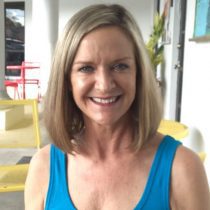
- Alcohol
- Friends & Family
Tell me a little bit about what life has been like during your journey of recovery, and what took you there.
I got sober originally in 1993 or 1994. I still had a job along with all the material things, but I hit a moral bottom. I had done something while I was drinking for which I couldn’t forgive myself, and I had become suicidal over it. Through the grace of God, I decided that I needed to call a treatment center during the middle of the night and they took me. I knew that if I waited until the next day to call, I wouldn’t have done it. They told me when I was in there that if I didn’t drink again, I’d never have to live that way again and they were right…until I relapsed nine years later.
What were the first nine years of sobriety like?
They were incredible, I was very involved. The first year was hard. Getting sober was the easy part; it was the living sober that was challenging. I went through a lot of changes, and couldn’t have done it without staying close to the program. I went to a lot of meetings. The emotions that I had numbed for so long during drinking came back and I was confused a lot. I remember crying a lot for no reason at all, then laughing hysterically right afterward.
There’s no way I would have stayed sober for the first year without a sponsor and staying close to my 12-step group. After I relapsed, I struggled with coming back because my ego wasn’t in check. I couldn’t put any time together because I wasn’t working with a sponsor or going to meetings– I was just dry. I had forgotten, for the most part, how to live a sober life. I had to learn all over again, and it was harder the second time around. My bottom this time around was quite a bit different than the first.
How much time went by from your relapse until your recovery now?
It has been about nine or ten years. I was in recovery for about that time, then I went back out for the same amount of time. I tried to get sober again around three years into my relapse. I was married to an active alcoholic at the time, and I thought I’d try to get us both sober by going into treatment. My head was clearly not in the right place. When he said I wasn’t any fun sober, it was off to the races again. I eventually had to leave him in order to get sober. We were living in the Virgin Islands at the time, and I had to leave there as well. Everyone I was connected to there were active alcoholics; alcohol was very prevalent there (it was cheaper to drink than it was to eat).
I was almost 50 when I realized that if I didn’t get sober soon, I was going to die. It wasn’t until I was 53 that I finally ended up getting sober. I had tried for a few years, but things that were going on in my life seemed to fuel me to drink more. I was isolating and drinking at home alone. I got fired from my job and during the subsequent couple of weeks, I realized I hadn’t been dressed in several days. I phoned the treatment center I had gone to before, and for whatever reason, decided not to go. I had been seeing a holistic addiction specialist at one point, whom I decided to seek out again. She told me about a place that I could go that wasn’t 12-step based. I decided to go and stick it out, and found that that place gave me a new pair of glasses.
My biggest struggle was the ego associated with coming back in as a newcomer after my relapse. For me, someone who thought they knew it all (in relation to the 12 steps), it was good to hear something coming from a different direction. What I found after that experience was that I was able to step into a meeting and hear things as though I was hearing them for the first time, and read the Big Book like I had never read it before. It all happens exactly the way it’s supposed to happen, but you have to have your eyes open and be willing.
I know that life still happens in sobriety. What do you do now in terms of self-care to keep you on point?
I was unemployed when I got sober, and it took me about six months until I was able to start working again. I have my dream job now (about which I thought about for years), and work for myself. That willingness and keeping my eyes open has paid off. I went back to my original sponsor, and held on to her until I found someone in New Orleans. It was back to the basics for me…going to meetings, reading the literature, working with others. I try to talk to others in recovery every day, and find that it really makes a difference. All the promises and blessings in recovery kind of took over and became the cornerstone.
My mother just passed away on October 26 of this year, and I am so incredibly grateful that I was able to be sober for that. We had a very stressful relationship and I feel like if I would have been drinking, I would have made her last few moments pretty miserable. Instead, it wasn’t. That is something I will never forget. My best friend died in March (partially as a result of the disease, and partially because of other complications), and I was able to be there for it and not be a burden.
For me, staying sober during the tough times is not hard. It’s the good times with which I struggle. When things are great, I want to celebrate. Maybe it’s because I’m still kind of new (if I make it to February, I’ll have two years). But that underlying instinct is still there. I remember going to get a bunch of things to make a costume for Halloween last year, and instinctively feeling the need to start the party early. The first thing that ran through my mind was a daiquiri. It really reminded me how powerful the disease is.
I listen to a lot of the Joe and Charlie Big Book Studies, and use that as a tool to sponsor other women. I feel like I don’t have anything to offer that hasn’t already been shared. What they talk about is very pure. I was very much a purest the first time, and have carried that over into this time.
They talk about the two phases of alcoholism: the mental obsession and the physical obsession. The mental obsession is obviously what triggers the physical. You don’t have that craving until it’s in your system, you only have the obsession. You don’t have the physical craving until that part of the allergy kicks in. Being able to differentiate between those two things has been very helpful. It was nice to revisit that way of thinking. Anytime you pick up the Big Book (and are in the right space), you will read something as if it’s for the first time. Different things make sense at different times.
Are there any goals that you set for yourself that you have accomplished because of your decision?
Working for myself is definitely something I wouldn’t be able to do if I were drinking. I’d be way too close to the refrigerator. So that’s huge for me. I still feel like my biggest accomplishment comes every day when I wake up and realize that I was given a second chance.
My long-term goals are basically to just participate in life and enjoy it. I’d like to look into becoming a yoga or pilates instructor, because when I retire, I’d like to travel and that’s one of those things I would be able to do anywhere. One of the things I’ve reconnected with is meditation. I used to (somewhat) follow Buddhism mainly for the meditation. I used to attend a weekly meditation in my last period of sobriety, but obviously fell off when I relapsed. Once again, it was like being there for the first time.
It’s also a great accomplishment for me to stop beating myself up about the relapse, and learning to put it to good use for others. I’m sure people get tired of hearing me talk about it in meetings, but it’s my story and I need to use it however I can. It takes some of the pain away from other situations if you can remember how bad it was at one point and how far you’ve come.
For someone who is struggling now, what words of encouragement could you give them?
All I know is that when I think things aren’t going well in my life and I feel overwhelmed, I wake up the next morning and it’s not as bad. That idea of giving it 24 hours before taking a drink is something that has worked for me. If I just tell myself to wait until tomorrow to drink, it helps.
I knew for years that I was going to relapse long before I picked up. I noticed myself getting resentments in in support meetings. I began taking others’ inventories instead of listening, I was backing off of my meetings, and my sponsees were firing me. My priorities changed. I started focusing on the man that was missing from my life instead of the program. Picking up a drink was the only thing left to do. I knew it and still didn’t reach out for help.
When you wake up after drinking, knowing what you know about the 12 steps, and you see yourself going down that road without being able to stop, it’s a really scary feeling. My advice would be to learn how to live sober by watching how other people live sober. And the only way that you can find people who are truly living sober is by going to meetings. I try to listen to the similarities versus the differences. I may not be able to relate to someone who is sharing about losing their dog in the park, but I can relate to the feeling of being overwhelm that is associated with that situation. I also have to be careful not to get back into my old environment.