
- Alcohol
- Drugs
- Friends & Family
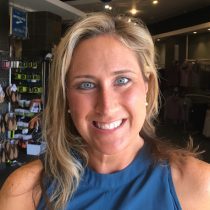
Submitted by: Susanne Johnson
Addiction has affected my family and many of my friends. I’ve been working in this field for about ten years now, running drug court (therapy) groups. I’m a social worker and my specialty is substance abuse. It’s my love and passion to work with people who have struggled and maybe even lost all hope. My goal is to help others get their lives and their families back– and better themselves, all in one program.
My father was an addict. I actually found out only after he had passed away. I never had a real relationship with him and it took me until I was over 20 years old to find out about his condition. Finding out about my father only strengthened my passion to work in this field in the hopes that I could bring hope back to those in need. Hope is stronger than fear. If I can give my boys hope, I can give them a lot.
My sister is now dealing with her own chronic alcoholism. She lost her daughter and entered treatment, but is struggling with it. It is heartbreaking for me to watch. She was already drinking before she lost her daughter but it became worse after she lost her daughter. It will be an ongoing struggle for the rest of her life, but will make a difference if she only makes a little progress each day.
In my younger years, I knew lot of people who used and abused drugs. In high school and college, it was primary marijuana and alcohol. Toward the end of college and as I got older, I saw more and more people using cocaine and other strong stimulants. I drank a glass here and there, but I was never interested in more. I guess that was because I had already seen the consequences early in life.
I was lucky that I was always more interested in sports and other extracurricular activities. I believe in focusing on education. I was at school to learn something and not to party. I had my goals in front of my eyes, always working toward them. And I knew where the road would go if I chose drugs.
A year ago, I struggled to run a mile. Today, I run multiple miles a week. I do a lot of working out and I love powerlifting. My running supplements my workout and I’m glad I started doing it. I love running and I consider it a lot of fun. I also encourage my boys in drug court to be active any time they can and try to run if possible.
My advice to anyone is to be active in recovery: physically, mentally, and emotionally. I came to the Heroes in Recovery 6K run to show my support for all those who suffer from addiction and mental health problems. These are the people I work with; these are the people I love.
We have lost people in drug court. Not everyone makes it. It’s so heart breaking. It’s always the “one last run”, “one last hit”, or that “one last try”. They forget about tolerance levels after they have been in sobriety for a while; they forget about everything they learned, and that’s when we lose someone. They want to stay clean and sober, they mean it. Then they walk out of the door and turn one time left instead of right, and all goes wrong from there.
I ask people to reach out for help. You can go to a meeting, talk to your physician, there are 12-step meetings online. Get some education to see what is possible to stop using and drinking. Or give the Heroes in Recovery helpline a call (1-800-312 4220). A phone call is often less scary than having an appointment with a treatment center or therapist right away. You can stay anonymous while you get some information and first help. Everybody needs help with these things; no one can do it alone.
If people come to me in drug court, it means that they got one last chance. I call it “getting a do-over”. They come with felonies, which can be dropped to a misdemeanor if they successfully complete the program. The drug court program can open so many doors and get people out of the vicious cycle of addiction and crime.
We grasp our participants with so much education on so many levels, but reminding them every day that they are more than convicts—they are human beings dealing with a disease. Drug court treatment lasts around thirteen months in our program, and participants must go to groups, attend support meetings, gain or keep employment and get tested regularly and often. If we graduate someone, we want them to go back to society and flourish, not just survive.
When clients walk into our rooms, they are all equal and every person deserves support. Our participants come from all walks of life have one common experience: addiction forced them into a severe mistake. I worked with people from all occupations. This disease does not care about your education or where you come from. I tell our clients all the time that they are some of the smartest people I’ve ever met, and I truly mean it. They are amazing human beings that deserve a second chance.