
- Alcohol
- Drugs
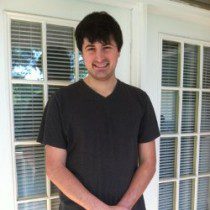
Zach and I met August of 2013. It was in the first couple of months of his sobriety. We were able to work with each other for a short period of time during some of those critical moments in the beginning stages of his journey. I have watched him maintain his sobriety, go back to school at Chapel Hill while making straight A’s and continue to move forward into the professional world as a journalist. He has taught me many things in the time I have known him. A true Hero in Recovery! I am excited to bring you Zach P’s story!
How long have you been on your recovery journey?
I have about a year and 5 months of sobriety. My journey in recovery began on July 1, 2013. I remember my first day in the treatment center I went to as clearly as if it were this morning.
What is the biggest positive change in your life since then?
I don’t know that it’s possible to come up with the one biggest positive change. It is such a total change in mental, physical, emotional and spiritual fitness, and it is all interwoven. I suppose the biggest change is that I am generally happy. Where once I used alcohol and drugs to numb feelings of inadequacy, rejection, fear and depression, I find that, even on my worst days, I harbor an appreciation for life and a gratitude I had never known while drinking.
What led to your need for recovery (from substance abuse or some other issue)?
My inability to manage. Plain and simple, my life was falling to pieces, and all I could do was to stand idly by and watch it unravel. I isolated myself from my friends, lied to my family, stopped going to classes at the college I attended. My GPA plummeted, my health deteriorated. There were days and weeks where I wouldn’t leave my apartment. At 22 years old, I was OK with drinking myself to death.
What was the turning point for you?
I can remember the day I first admitted I needed help. It has crystallized itself in my memory. I woke up late, hung over of course. I had told my parents I had enrolled in classes so I could stay at college over the summer. They had put money into my student account to pay for the courses, but I never actually enrolled.
My mother was on the ball and saw that the money was just sitting there. She called the school and found out I was not enrolled. She called me that morning and asked me where I was. I told her I was in the library studying for exams. She said, “No you’re not. What’s going on?” I just kept lying and lying and lying, even though I knew she had found me out. I have no idea what it is that caused me to break, but I somehow arrived at the intersection of grace, willingness and desperation. I began to cry and told her I needed help. I had two more drinks after that, neither of which were enjoyable. From there, I went to treatment and have been walking this road ever since.
What is one important truth you’ve learned through the process?
There is no cure. There is no graduation. It is truly a daily reprieve based on the maintenance of my spiritual condition. If I get away from the basics that keep me sober — going to meetings, talking with other alcoholics, prayer, etc. — I will most likely drink again. It is a lifelong process. The rewards are many, but it is so easy to lapse into complacency.
What are you most proud of about your life today?
I am able to be of service to others today. I have a career that allows me to tell people’s stories and be of benefit to my community. People enjoy talking to me and being around me. I have my recovery to thank for this. If I were still drinking, I would have none of it. I am a part of the world again, and I smile when I wake up instead of pulling the blankets over my head and wishing it would all go away. I can face each day with excitement and gratitude.
What is one of your biggest struggles in ongoing recovery? How do you overcome that?
Complacency, as I mentioned before, is my biggest struggle. It is so easy after a long day of work to say, “Oh, I’m too tired today. I don’t need to go to a meeting,” or “Eh, it’s getting late. I’ll call my sponsor some other time.” In order to prevent that, I make commitments. I call a friend on Monday and tell him I will attend a meeting with him on Friday. That way I can’t decide not to go. I have to plan ahead, and sometimes, I need to do things I don’t feel like doing and trust that they are good for me. I have never felt worse after an 12 step meeting.
Are there goals you’ve met or dreams you’ve pursued that you’re particularly proud of?
I have graduated from college. I have a job in the field that I studied for. I am a reporter at a community newspaper, and 10,000 people read what I write on a daily basis. I have been able to help friends and family members find this road, and I have met some of the most wonderful people I could ever imagine through recovery. I am eternally grateful for all the opportunities and experiences open to me in sobriety.
Is there a truth or piece of advice someone shared with you that has helped you on this road?
A dear friend and mentor told me that recovery is like the chips they give out in 12 step meetings. The center is smooth. The edges are rough and easy to fall off of. That was his reasoning for the importance of staying in the center of recovery, and I have found that the closer I am to the middle of AA, the more comfortable and happy I am.
What would you tell someone at the beginning of this journey who is afraid they can’t do it?
You can do it. You need to stop listening to some of those voices that tell you you’re not good enough or that there is no other way. Recovery is counter-intuitive. For so long, we have focused on drinking and drugs to get us through life that life without them seems impossible. But it’s not. You’ll have to do things you won’t like, things that you don’t think will help. But what you think is most likely wrong. Just listen to those with long-term sobriety. Watch what they do, and do it yourself. Before you know it, you will do it not because you need to but because you want to.