
- Drugs
I was only sixteen when a friend of ours turned us on to what we knew then as mixed jive, or scag. The pink, one-dollar gelatin capsules were filled with the bitter taste of an addiction that was yet for me to imagine. At the time we found it fun to get buzzed on weekends on a little weed or some cough syrup. Some weekends it may have been a Quaalude or a shot of Hennessey. We were just having fun, but that little pink capsule was the star that would arrogantly take the stage. Less than two years after my fun spree, things got more serious. I was finding my way into a totally different world than what my mother and relatives represented.
I took a job packaging the powder I was using weekly, and I was feeding a monkey that would follow me every day and become a full-grown gorilla on my back. Over time and with years of addiction and drug dealing came the realization that if I didn’t make a change in my life, I would wind up being a full-fledged junkie. I was snorting the diluted heroin, and I had begun using it intravenously. I enrolled in a methadone clinic and was using the methadone as a backup and a boost to the stuff I was still using. It was time to shake off the gorilla and his twin named methadone that were riding me to the ground. My habit had gotten so bad I actually smuggled heroin into a police station when I turned myself in on an unrelated crime. Marks on my arms began to show, lightly joining themselves together. I remember one of my counselors at the clinic telling me it was all in my mind, but my body told me something entirely different. The aches and pains contradicted his theory. The chills and sweats were unforgettable and left me in a continuous position of unrest. When I told myself it was time to quit, the drug always told me, “No. We’ve been friends now for almost 10 years, and I’m not letting you go!”
Walking Away
I took a bus to get methadone miles away from where I lived. When leaving the clinic after swallowing the methadone, I got intense pains in the kidney area of my back. While walking toward the bus stop a block away, the pain became unbearable. I found myself holding on to a pole to stay on my feet. My body suffered physical effects from the combination of both drugs. It was time to quit, but I didn’t know how. I was tired of being sick and tired. I made up my mind that would be the last day of killing myself. When I reached the destination of my mother’s basement, where I’d always found refuge, I fell to my knees in prayer, begging God to remove all the pain and to give me back the wasted part of myself I had thrown away. I promised that if He would ease this pain, I would never go back, never use heroin again in my life. After many days of suffering withdrawal symptoms when not having the drug, things were different. God removed the withdrawal symptoms and gave me back the years of my life I’d asked for. There would be no reneging on this once-in-a-lifetime deal. There would be no need for a recovery program because my mind had been made up. There was no need for methadone and no need to ever turn back.
What the Addict Must Keep in Mind
Not many will be able to walk away like I did, but if I can do it, others can too. Now that it has been over 35 years since that day I walked away, I believe anyone can walk away from anything they wish to in life. I kept my promise to God and have neither used the drug since nor become addicted to any other opiates. That counselor was right in saying it was all in my mind, but recovery takes a strong will. It can’t be a decision made by others; one has to want to do it for him or herself. Those who do it for someone else will be more prone to relapse than those who have made up their mind on their own, because they may not have been sincere from the beginning. They were only trying to please someone else.
How long does it take to recover? It depends on the individual. It may take a program of rehabilitation to overcome genetic or family influences. Recovery is not easy and will take a long time, perhaps ten years or even longer. We must realize that we are creatures of habit and avoid exchanging habits instead of ridding ourselves of bad habits totally. For the addict that is sincere about making change, changing environments is also crucial for a successful recovery. Friends that use the substance you are trying to avoid will be an automatic encouragement to do it again. One of the main things the addicted person must keep in mind is that there is no recreational use, no one more time. It only takes one more time to lead to an addiction that is worse than before. It’s like smoking or drinking. When a person quits and then goes back, they usually wind up using more than they did before they quit. There is no such thing as “Just once!” If you can make it a week without a substance, you can make it a lifetime. You just have to make up your mind that you can do anything you want to do. I did it, and so can you if you have a mind. Just believe in God, and know that God is mind.
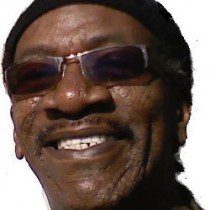
Alvin S. Woods is a Detroit area businessman, activist, publisher, and author.