
- Drugs
- Friends & Family
submitted by: Susanne Johnson
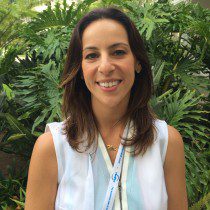
When Nolyn was younger she and her friends tried many drugs. A lot of her friends passed away because of addiction. She woke up, and they didn’t. They couldn’t stop; they overdosed. Nolyn somehow always had relationships with people that were addicted, and that made her very aware of the disease. She got married, and her husband was an alcoholic. He passed away a couple months ago because of the disease. She joined a support group some years ago as she didn’t understand the addiction and alcoholism of her husband.
She often asked, “Why can’t you stop for me?” Nolyn started to learn as much as she could about the disease, and this influenced her career choices. Today she works for a treatment facility by talking to clients and their families and trying to find the perfect treatment fit for their problem. She also encourages families to learn about addiction while their loved ones are in treatment. It is important for families work on themselves too. It may be necessary to get a therapist for some family members during this period of change. Nolyn explains, “When the loved one returns from the treatment facility, he or she may not be the same anymore. Everybody has to work together on this.” Nolyn studied communications and business and was a representative in the medical field for operating equipment. That wasn’t fulfilling as she wanted the contact with patients and clients.
Nolyn loves to give families hope. A huge number of people do recover, and everybody has the chance to do so. She wants to tell someone who is not yet in treatment, “It is scary, and there is fear, but if you do it one day at a time, there is hope. You can do it.” She wants to assure people that this step is worth taking and that there is lots of support and help waiting for them. She emphasizes how important it is to have aftercare and a support system lined up before you leave treatment. Life goes on, and things happen. It’s good to have your support with you at all times.
Nolyn visits a lot of conferences to expand her resources. There should not be competition between treatment centers. There are a lot of people who need help, and she loves collaboration between centers to find the right place for the person in need. The most important thing is that the client succeeds in his or her recovery. “People in recovery are beautiful souls,” she states. It’s time that we stop thinking about addicts negatively or with stigma.